
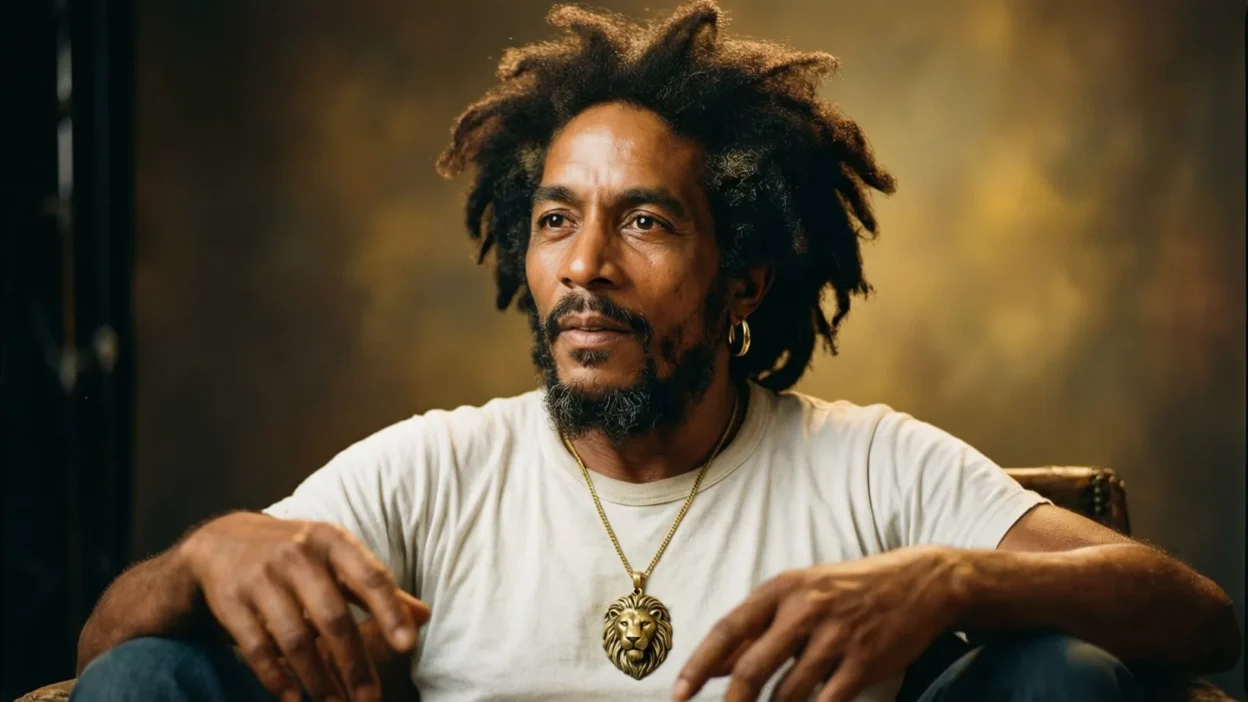
Bob Marley is more than just a name in music history he is a global icon whose influence spans generations, cultures, and continents. Known as the king of reggae, Marley’s songs of love, unity, and resistance continue to inspire millions worldwide. But beyond his music and activism, many fans are curious about the financial legacy he left behind. How much was Bob Marley worth at the peak of his career, and how has his estate continued to generate income decades after his passing? In this article, we dive deep into Bob Marley’s net worth, exploring not only his earnings from music and tours but also his business ventures, real estate, and posthumous income streams. From his humble beginnings in Jamaica to becoming a household name, we’ll uncover how Bob Marley built his fortune and examine the ways his legacy continues to generate wealth long after his death.
Early Life and Career Foundations
Bob Marley was born Robert Nesta Marley on February 6, 1945, in Nine Mile, Saint Ann Parish, Jamaica. Growing up in a small rural community, Marley faced a challenging childhood marked by poverty and social struggles. His father, a white Jamaican of English descent, left the family when Marley was young, while his mother raised him with limited resources. Despite these hardships, music became a central part of his life early on, and the rich cultural sounds of Jamaica heavily influenced his creative development.
As a teenager, Marley moved to Kingston, where he was exposed to the vibrant urban music scene, including ska, rocksteady, and the early roots of reggae. It was here that he began experimenting with songwriting and performing, forming his first band, The Teenagers, and later The Wailers with Peter Tosh and Bunny Wailer. These early efforts were marked by struggles, as Marley and his bandmates navigated small gigs, limited recording opportunities, and financial uncertainty.
Even in these early years, Marley displayed a strong business sense and dedication to his craft, laying the groundwork for future financial success. Income from performances, local recordings, and small royalties helped him sustain his career while building a reputation in Jamaica. This foundation would prove crucial when he eventually broke into the international music scene, setting the stage for his rise to fame and the wealth he would later amass.
Rise to International Fame
Bob Marley’s journey from local Jamaican performer to global reggae superstar began in the early 1970s, when The Wailers released breakthrough albums like “Catch a Fire” (1973) and “Burnin’ (1973)”. These albums showcased Marley’s unique fusion of reggae, ska, and rock influences, earning him international attention and critical acclaim. Hits such as “Get Up, Stand Up” and “I Shot the Sheriff” propelled Marley into the global music spotlight, with the latter famously covered by Eric Clapton, significantly boosting his royalties.
By the mid-1970s, Marley was touring internationally, performing in the United States, Europe, and beyond. These tours were not only pivotal for his career but also for his financial growth. Live performances generated substantial income while solidifying his reputation as a legendary entertainer. Albums like “Rastaman Vibration (1976)” and “Exodus (1977)” further cemented his global status, producing chart-topping hits that still earn royalties today.
Marley’s growing fame also opened doors for business opportunities. Merchandise, licensing deals, and partnerships began to supplement his income, and his music started generating long-term wealth through both sales and publishing rights. During this period, Marley’s focus on spreading messages of unity, peace, and social justice also contributed to his enduring appeal, ensuring that his music would remain profitable and influential well beyond his lifetime.
From humble beginnings in Jamaica to global recognition, Bob Marley’s rise to fame laid the foundation for the fortune he would eventually amass, proving that talent combined with strategic growth can create lasting wealth.
Sources of Bob Marley’s Wealth
Bob Marley’s fortune was built from multiple revenue streams, combining his musical genius with strategic business ventures. The most significant source of his wealth was undoubtedly music royalties. From album sales, singles, and live recordings to streaming revenue in the modern era, Marley’s music continues to generate income decades after his passing. Hits like “No Woman, No Cry,” “One Love,” and “Three Little Birds” bring in millions annually through global airplay, licensing deals, and digital platforms.
Beyond music, Marley’s business ventures added significantly to his net worth. He founded Tuff Gong Records, which not only produced his albums but also promoted other artists, creating an ongoing revenue stream. Posthumously, the Marley estate has capitalized on his brand through Marley Natural, a premium cannabis brand, and licensed merchandise including clothing, accessories, and posters, ensuring a steady flow of earnings.
Real estate and personal assets also contributed to Marley’s wealth. He owned multiple properties, including homes in Jamaica and abroad, which hold both monetary and historical value. Collectibles, rare instruments, and memorabilia have also increased in worth over time.
Even after his death in 1981, Marley’s estate has continued to manage and grow his wealth. Music licensing in movies, commercials, and streaming platforms, combined with smart management of his brand and intellectual property, ensures that his fortune remains substantial. Bob Marley’s diverse income sources—from royalties and real estate to merchandise and brand licensing—highlight the savvy that transformed his musical talent into lasting financial legacy.
Estimated Net Worth
Bob Marley’s net worth has been the subject of much curiosity and estimation over the years. While precise figures vary, most reputable sources place his total fortune between $130 million and $200 million. This wealth is remarkable considering he passed away at just 36 years old in 1981, showing the enduring power of his music and brand.
A large portion of Marley’s net worth comes from music royalties. Albums like “Legend”, released posthumously, have sold millions worldwide and continue to generate consistent income through streaming platforms, radio airplay, and licensing in films, commercials, and television. These royalties alone account for a significant portion of the estate’s current earnings.
Marley’s wealth was also bolstered by business ventures and merchandising. The Marley estate manages licensing for clothing lines, cannabis brands like Marley Natural, and other branded products, all of which contribute to his ongoing financial success. Real estate holdings, including properties in Jamaica and abroad, add further value to his estate.
Compared to other musicians of his era, Marley’s net worth remains impressive. Even decades after his death, his fortune surpasses many contemporaries who did not maintain posthumous licensing or branding strategies.
In essence, Bob Marley’s wealth is not just a reflection of his talent, but also of the strategic management of his intellectual property and brand. His net worth continues to grow, demonstrating how a musical legacy, when combined with smart business management, can create lasting financial success.
Lifestyle and Personal Spending
Bob Marley’s lifestyle reflected both his humble beginnings and his rise to international fame. Despite amassing significant wealth, Marley remained closely connected to his Jamaican roots and the Rastafarian values that shaped his life. He lived modestly compared to other global music stars, focusing on family, music, and cultural expression rather than extravagance.
Marley owned several properties, including his famous home in Nine Mile, Jamaica, which later became a museum, and estates in Kingston. These homes were not only personal spaces but also investments that have increased in value over time. His residences were often surrounded by lush gardens and spaces for music creation, reflecting his love for nature and creativity.
While Marley did have a taste for luxury items, his spending was measured. He invested in musical instruments, recording equipment, and touring essentials, ensuring his career and brand could grow sustainably. Unlike many celebrities, Marley avoided flashy displays of wealth, instead prioritizing experiences, community, and his art.
Philanthropy was also a part of his lifestyle. Marley supported local communities in Jamaica, contributed to charitable causes, and used his platform to advocate for peace and social justice. This combination of modest living, strategic investment, and philanthropy reflects how Marley’s personal choices aligned with his values while still contributing to his lasting financial legacy.
In essence, Bob Marley’s lifestyle was a balance of simplicity, cultural expression, and smart financial management—demonstrating that wealth can coexist with purpose and integrity.
Posthumous Earnings
Even decades after his passing in 1981, Bob Marley’s estate continues to generate significant income, making posthumous earnings a major component of his net worth. Much of this revenue comes from music royalties, which remain remarkably strong due to the enduring popularity of his songs. Albums like “Legend”, a greatest hits compilation released after his death, have sold millions of copies worldwide, while streaming platforms, radio airplay, and licensing in movies and commercials ensure a continuous revenue stream.
In addition to music, Marley’s brand and merchandise generate substantial income. The Marley estate has established partnerships for products such as Marley Natural, a premium cannabis line, and licensed apparel, posters, and collectibles. These ventures not only honor Marley’s legacy but also provide ongoing financial growth for his family and estate.
Estate management has played a crucial role in maximizing these earnings. Marley’s family and professional managers strategically oversee licensing, business ventures, and intellectual property rights, ensuring that his name and image continue to generate profit without compromising his artistic integrity.
Posthumous earnings also include rare memorabilia and auctioned items, which appreciate in value over time. Original instruments, handwritten lyrics, and personal belongings have fetched high prices at auctions, further increasing the estate’s wealth.
Bob Marley’s posthumous income highlights the power of a well-managed legacy. Through careful stewardship of his music, brand, and image, Marley remains financially influential decades after his death, proving that a strong creative and cultural impact can translate into lasting wealth.
Legacy Beyond Money
Bob Marley’s influence extends far beyond his net worth, making him one of the most iconic figures in music and global culture. While his financial success is impressive, it is his cultural and musical legacy that truly defines him. Marley helped bring reggae to the world stage, using his music to share messages of love, unity, and social justice. Songs like “One Love” and “Redemption Song” continue to resonate across generations, ensuring that his work remains both relevant and profitable.
Marley’s impact was not limited to music. He was a symbol of Rastafarianism, African identity, and resistance against oppression. His commitment to social and political causes, including advocating for peace during Jamaica’s turbulent times, solidified his reputation as more than just a musician. This social influence adds intangible value to his brand, which contributes to ongoing interest in his music, merchandise, and biography.
The enduring appeal of the Marley brand ensures that his estate continues to thrive financially. Licensed products, tours celebrating his music, and documentaries about his life keep his image alive while generating income. Even decades after his passing, new generations of fans discover his work, demonstrating how cultural relevance can sustain wealth and influence simultaneously.
Bob Marley’s legacy proves that true success is measured not only in dollars but in impact, inspiration, and enduring cultural presence. His music, philosophy, and brand continue to shape global culture, making him a legend whose influence—and income—extends far beyond his lifetime.
Fun Facts About Bob Marley’s Wealth
Bob Marley’s net worth is fascinating, not just for the numbers but for the stories behind how he earned and maintained it. Despite his global fame, Marley lived a relatively simple lifestyle, often prioritizing music and family over luxury. Yet, his financial legacy includes some surprising facts that reflect both his influence and shrewd management.
One interesting aspect is the posthumous growth of his fortune. Marley’s estate has earned tens of millions from licensing his music for films, commercials, and streaming platforms—decades after his death. Albums like “Legend” remain best-sellers, and digital streams continue to bring in substantial royalties worldwide.
Another fun fact is the value of Bob Marley memorabilia. Original instruments, handwritten lyrics, and rare vinyl records have sold for hundreds of thousands of dollars at auctions, often surprising fans who may not realize the high collectible value of his personal items.
Marley also embraced entrepreneurship beyond music. The Marley estate’s ventures into branded merchandise, cannabis products, and lifestyle goods have turned his name into a globally recognized business. These efforts ensure that his fortune is not just a relic of past fame but a growing, active financial brand.
Finally, Bob Marley’s influence is so enduring that even new generations contribute to his wealth through streaming, merchandise, and cultural events, proving that true legacy combines talent, vision, and strategic management. His financial story is as inspiring as his music, showing how one artist’s vision can create a lasting impact both culturally and economically.
Conclusion
Bob Marley’s story is one of extraordinary talent, cultural impact, and financial success. From his humble beginnings in Nine Mile, Jamaica, to becoming a global reggae icon, Marley built a fortune that continues to grow even decades after his passing. His net worth, estimated between $130 million and $200 million, is the result of a combination of music royalties, international tours, real estate, merchandise, and smart brand management.
However, Marley’s legacy is far more than financial. His music spread messages of love, unity, and social justice, influencing not just the world of music but global culture and politics. The enduring popularity of albums like “Legend”, his continued presence on streaming platforms, and the success of ventures such as Marley Natural highlight how a well-managed estate can keep an artist’s vision alive while generating substantial wealth.
Marley’s lifestyle, though modest by modern celebrity standards, reflected his values, emphasizing family, community, and cultural roots. His estate has successfully preserved both his financial legacy and his reputation as a symbol of peace, resilience, and creativity.
In essence, Bob Marley demonstrates how art, purpose, and business acumen can intersect. His life proves that a musician’s influence can extend far beyond fame, inspiring generations while creating a sustainable financial legacy. Marley’s story is a testament to the power of talent combined with vision, showing that true success is measured not just in dollars, but in lasting impact, inspiration, and cultural relevance.